Source Wall-Mounted Rotating Saddle Rack for Retail, Garment, and Store Displays
Compare 30 Wall-Mounted Rotating Saddle Rack options from verified Chinese manufacturers. Buyers can evaluate models like JSRB3910 and DSN-264, noting features such as powder coating, metal construction, and custom sizes for retail and garment displays; compare the available evidence and request quotations based on your requirements.
Key considerations
Products List


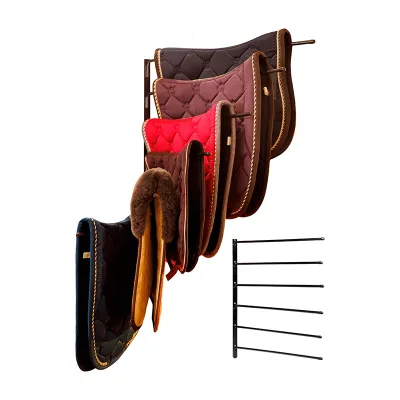
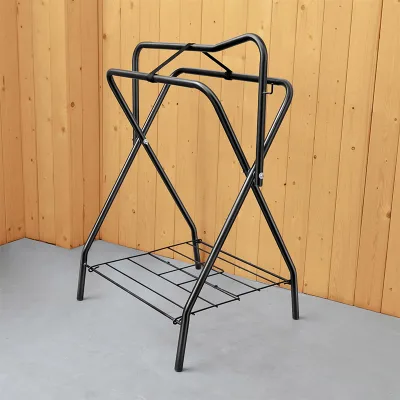
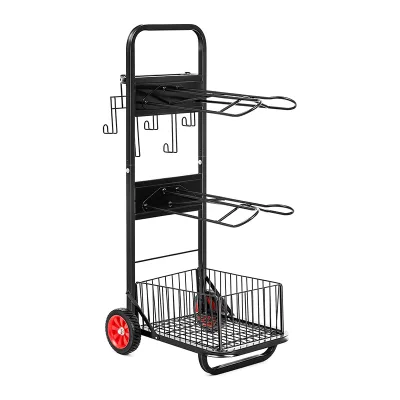
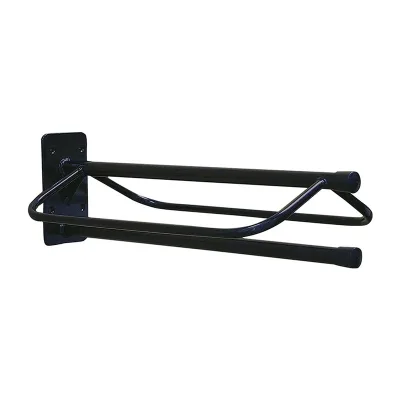




Comprehensive Sourcing Guide
Wall-Mounted Rotating Saddle Rack Sourcing Guide
Sourcing a wall-mounted rotating saddle rack requires balancing aesthetic appeal with functional durability, particularly for retail environments displaying equestrian gear or specialized garments. The observed market data indicates a diverse range of models, such as the JSRB3910 series and DSN-branded units, which cater to different spatial constraints and inventory volumes. Buyers must recognize that "rotating" functionality often implies a specific mechanical design distinct from static ladder shelves, necessitating careful verification of the rotation mechanism’s stability and load capacity.
Procurement decisions should be guided by the specific material composition and surface treatment observed in listings, such as iron or steel construction with powder-coated finishes. These attributes directly influence the rack’s resistance to wear and tear in high-traffic areas. Understanding the distinction between customized colors and standard assortments is crucial, as is verifying the installation method, which is frequently wall-mounted to save floor space. This guide outlines the critical verification steps for ensuring the selected unit meets both operational and aesthetic requirements.
Product Scope and Observed Listing Signals
The current market landscape for wall-mounted saddle racks includes a variety of model numbers, ranging from JSRB3915 to DSN-464, indicating a broad spectrum of design iterations. Listings frequently highlight features such as vertical orientation and easy assembly, which are critical for rapid deployment in retail settings. The presence of "customized" color options and "assort" variants suggests that suppliers offer flexibility in branding and visual integration, allowing buyers to align the rack with their store’s interior design scheme.
Observed specifications reveal significant variation in packaging and weight, with single package sizes ranging from compact dimensions like 45x28x9 cm to larger configurations up to 94x68x7 cm. This variance impacts shipping costs and handling requirements, making it essential to calculate total landed costs accurately. The material composition, primarily identified as iron or steel, underscores the need for robust construction, while the "modern" style and "durable" features point to a focus on longevity and contemporary aesthetics in product design.
Technical Specifications to Verify
Buyers must rigorously verify the structural integrity of the rotating mechanism, ensuring it can support the intended load without wobbling or failure. Specifications such as shelf height, number of shelves, and single gross weight provide baseline data, but the actual load-bearing capacity per saddle or item must be confirmed with the supplier. The distinction between "regular size" and "customer size" options requires clear communication to ensure the rack fits the available wall space and accommodates the specific dimensions of the merchandise being displayed.
Surface treatment processes, such as powder coating, are critical for preventing corrosion and maintaining appearance over time, especially in humid environments. Verification of the assembly process is equally important; while "easy assembly" is a common claim, buyers should request detailed instructions or video guides to assess the complexity of installation. Additionally, confirming the exact model number, such as DSN-264 or DSN-267, ensures that the technical datasheet matches the physical product, preventing discrepancies in dimensions or material quality.
Compliance and Safety Documentation
Safety is paramount when installing wall-mounted fixtures, as improper anchoring can lead to significant liability issues. Buyers should request documentation confirming that the mounting hardware and wall anchors are suitable for the specific wall type, whether drywall, concrete, or wood. While specific certification standards are not explicitly listed in the observed data, verifying compliance with local building codes and retail safety regulations is essential to ensure the rack remains securely attached under dynamic loads.
Product liability insurance and material safety data sheets (MSDS) for the powder coating and metal finishes should be reviewed to ensure they meet environmental and health standards. Buyers must also verify that the product does not contain hazardous substances prohibited in their target market, such as lead or certain heavy metals in the metal components. Ensuring that the supplier provides clear warranty terms for mechanical failures, particularly in the rotating mechanism, is a critical step in mitigating long-term risk.
Cost Drivers and Commercial Terms
The price range observed, from $0.2 to $798.3 USD, reflects significant variation based on material quality, complexity of the rotating mechanism, and customization options. Buyers should analyze the cost per unit against the single gross weight and package dimensions to determine the most cost-effective shipping method. High MOQs, such as 100 pieces for certain models, may offer better unit pricing but require careful inventory management to avoid overstocking, while lower MOQs provide flexibility at a higher per-unit cost.
Commercial terms must clearly define responsibilities for shipping, insurance, and customs clearance, especially when sourcing from regions like Fujian, China. Buyers should negotiate payment terms that protect their interests, such as using escrow services or letters of credit for larger orders. Additionally, understanding the lead times for customized colors or logos is crucial for aligning procurement with retail launch schedules, as these customizations often extend production time compared to standard assortments.
Supplier Qualification and Quality Control
Supplier qualification should begin with verifying their manufacturing capabilities and quality control processes, particularly for metal fabrication and surface treatment. Buyers should request samples to assess the finish quality, the smoothness of the rotation, and the sturdiness of the wall-mounting brackets. Checking the supplier’s history and customer reviews can provide insights into their reliability and after-sales support, which are vital for resolving any issues that arise post-delivery.
Quality control checks should include random inspections of the first production batch to ensure consistency in dimensions, weight, and appearance. Buyers should specify acceptance criteria for defects, such as scratches on the powder coating or misaligned shelves, and establish a process for handling non-conforming goods. Collaborating with a third-party inspection agency for pre-shipment inspections can provide an additional layer of assurance, ensuring that the delivered products meet the agreed-upon specifications before payment is finalized.
Long-Term Procurement Checks
Long-term success depends on establishing a reliable supply chain that can scale with business growth and adapt to changing market trends. Buyers should maintain open communication with suppliers to stay informed about new models, such as updated DSN series racks, and potential improvements in design or functionality. Regularly reviewing supplier performance metrics, including on-time delivery rates and product quality, helps identify any declining trends that need to be addressed promptly.
Sustainability considerations should also be part of the long-term strategy, evaluating the recyclability of the metal components and the environmental impact of the manufacturing process. Buyers should explore opportunities for reducing packaging waste and optimizing logistics to lower the carbon footprint of their procurement activities. By continuously monitoring market developments and supplier capabilities, buyers can ensure that their wall-mounted saddle racks remain competitive, durable, and aligned with evolving retail demands.
FAQs
What materials are used for wall mounted rotating saddle racks?
These racks are typically constructed from durable iron or steel to ensure stability and longevity. The metal shelves are often powder coated to resist corrosion and wear. This robust material selection supports the display of heavy items like horse saddles or garments without bending or failing under load.
Can I customize the size of the saddle display rack?
Yes, manufacturers offer customized sizing options to fit specific retail spaces. You can request customer-specific dimensions rather than standard sizes. This flexibility allows you to optimize floor space and ensure the rack integrates seamlessly into your existing store layout or display area requirements.
What is the typical MOQ for ordering these racks?
The minimum order quantity usually ranges from 6 to 500 pieces depending on the supplier. Some vendors may require a higher MOQ, such as 100 pieces, for standard models. Buyers should verify the specific MOQ with the manufacturer to align with their inventory needs and budget constraints.
How difficult is the assembly process for these racks?
Assembly is generally designed to be easy for quick installation. Most units come as assembled modules or require minimal setup. The straightforward design allows staff to set up the display rack efficiently without specialized tools or extensive technical knowledge, reducing installation time and labor costs.
Where are these saddle racks typically manufactured?
These products are primarily manufactured in China, with specific origins often listed as Fujian. This regional concentration provides access to established supply chains for metal fabrication. Buyers can expect consistent production capabilities and competitive pricing due to the mature manufacturing infrastructure in these key industrial areas.
What surface treatments are applied to the metal racks?
The metal surfaces are commonly treated with powder coating for enhanced durability. This finish protects the iron or steel from rust and scratches during daily use. The powder-coated surface also allows for various color options, including black or customized assortments, to match your brand aesthetic.